Introduction: The Platform Matters Less Than the System
If you're choosing between Skool and Circle, automation probably isn't the first thing you're thinking about. You're comparing community features, course hosting, pricing, and UI.
But here's the thing: the platform you choose determines what you can automate and what stays manual. And manual work is what burns out community owners at month 6.
If you're searching:
- skool vs circle automation
- skool vs circle comparison 2026
- which community platform has better automation
- circle community automation
This post focuses specifically on the automation comparison. Not which platform looks nicer or has better gamification. Just: which one lets you run your community with less manual work?
1. Native Automation Features (What Each Platform Has Built In)
Skool native automation:
- Post scheduling: No
- DM automation: No
- Workflows/triggers: No
- Member tagging: No
- Recurring posts: No
- Welcome emails: Basic (platform-level, not customizable)
- Gamification: Yes (points, levels, leaderboard)
Total native automation: almost none. Skool is intentionally minimal. It relies on third-party tools for automation.
Circle native automation:
- Post scheduling: Yes (basic scheduling)
- DM automation: No (no native DM sequences)
- Workflows/triggers: Limited (basic event-based automation in higher tiers)
- Member tagging: Yes (manual tags and some auto-assignment via workflows)
- Recurring posts: No
- Welcome emails: Yes (customizable)
- Gamification: Limited (no points/leaderboard like Skool)
Total native automation: more than Skool, but still limited. Circle has basic scheduling and tagging built in, plus some workflow features on higher-priced plans.
2. Third-Party Automation Tools Available for Each
Skool third-party ecosystem:
- StickyHive: full automation suite (DMs, workflows, scheduling, CRM, churn detection). Purpose-built for Skool.
- Zapier: 2 triggers, 2 actions (very limited)
- Make: similar limitations as Zapier
Skool's third-party ecosystem is small but has one purpose-built tool (StickyHive) that covers everything. Generic tools (Zapier, Make) are minimal.
Circle third-party ecosystem:
- Zapier: more triggers and actions than Skool's integration (Circle's API is more open)
- Make: similar expanded integration
- No purpose-built automation suite equivalent to StickyHive
- Various webhook-based integrations
Circle has a more open API, so generic tools work better with it. But there's no all-in-one "Circle automation tool" that handles DM sequences, churn detection, and community-specific workflows the way StickyHive does for Skool.
3. Side-by-Side Comparison Table
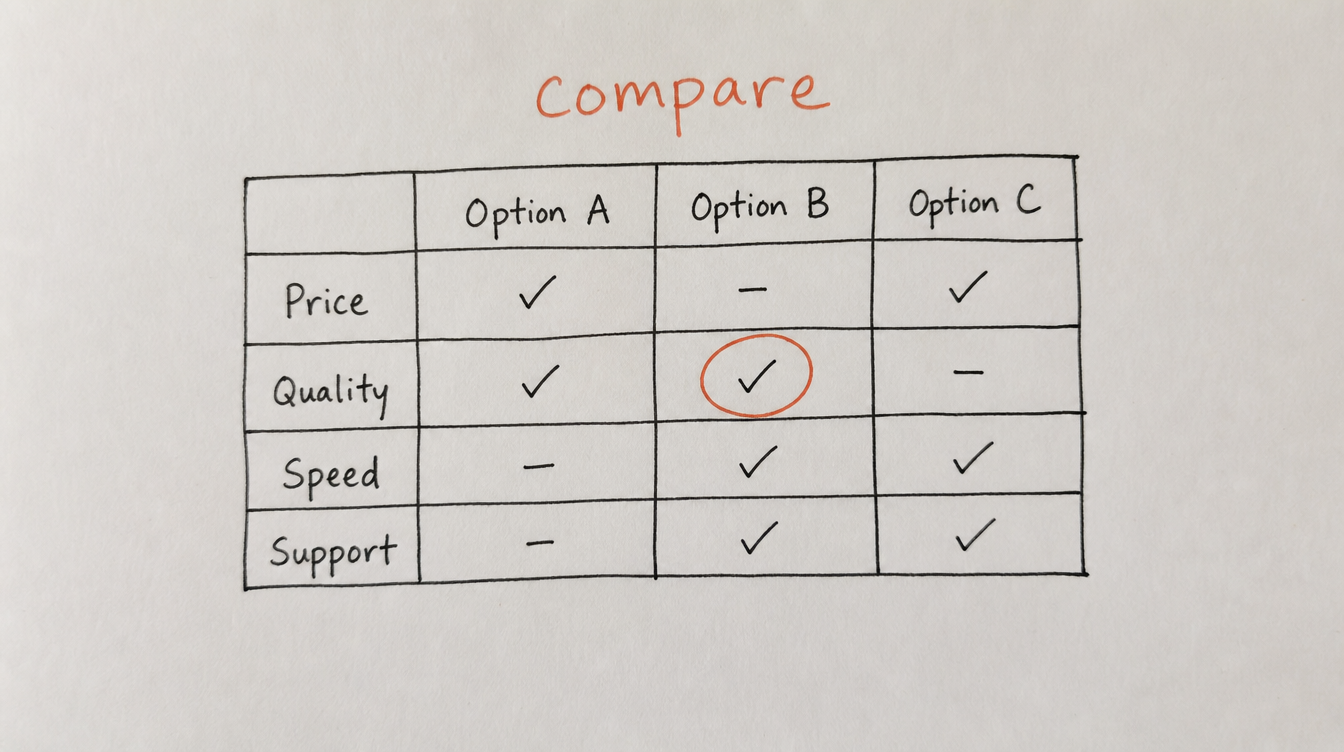
| Automation Feature | Skool (native) | Skool + StickyHive | Circle (native + Zapier) |
|---|---|---|---|
| Post scheduling | No | Yes | Yes (basic) |
| Recurring posts | No | Yes | No |
| DM sequences | No | Yes (multi-step, branching) | No |
| Welcome DM automation | No | Yes | Partial (welcome email, not DM) |
| Member tagging | No | Yes (auto + manual) | Yes (mostly manual) |
| Health scores | No | Yes | No |
| Churn detection | No | Yes (AI) | No |
| Inactivity triggers | No | Yes | Limited (basic automation rules) |
| Workflow triggers | No | 28+ | 5-10 (via Zapier + native rules) |
| Community audit | No | Yes (free) | No |
| Gamification | Strong (points, levels) | Strong (enhanced) | Weak |
| CRM view | No | Yes | Basic (member directory) |
4. Where Skool Wins (With the Right Tools)
- Gamification is built in. Points, levels, leaderboards create engagement loops that Circle doesn't have natively.
- DM sequences. With StickyHive, Skool has fully automated DM sequences. Circle has no equivalent (no platform-native DMs in the same way).
- Churn detection and health scores. StickyHive adds AI-powered retention tools that no Circle tool currently matches.
- Community audit. Available for Skool via StickyHive. No equivalent for Circle.
- Simplicity. Skool's platform is intentionally simple. Members know exactly how to use it. The automation lives in the background, not in the member-facing UI.
5. Where Circle Wins
- Native scheduling. Circle has basic post scheduling built in. You don't need a third-party tool for simple scheduled posts.
- Richer API. Circle's API supports more triggers and actions in Zapier/Make. If you're building custom integrations, Circle gives you more to work with.
- Native automation rules. Higher-tier Circle plans include event-based automation rules (when X happens, do Y). Basic, but it's there out of the box.
- Customizability. Circle allows more UI customization (custom domains, branding, spaces). Not automation per se, but it affects how you design member journeys.
- Events and live rooms. Circle has native event and live room features that can trigger automations (reminders, follow-ups).
6. Workflow Automation: Skool vs Circle
This is where the real difference shows:
Circle workflows (native + Zapier):
- Trigger on: member joins, post created, event RSVP, space join
- Actions: send email, add to space, change member tag (via Zapier)
- Logic: basic if/then in Circle's automation rules. More complex logic via Zapier paths.
- DM capabilities: Circle doesn't have platform DMs the same way Skool does, so "send DM" isn't a native action.
Skool workflows (via StickyHive):
- Trigger on: 28+ events including inactivity, health score changes, churn signals, tag changes, module completion, level-ups, and all the basics
- Actions: 60+ including send DM, start DM sequence, tag, note, Slack, email, webhook, post, and more
- Logic: full conditional branching, delays, goal checks, A/B testing within sequences
- DM capabilities: Skool's DM system is a first-class automation target (sequences with multi-step logic)
Key difference: Skool's DM system is a huge automation advantage. DMs are personal, high-open-rate, and can be fully sequenced with conditions. Circle relies more on email (lower open rates, feels more transactional). For communities where personal touch matters, Skool's DM system + StickyHive's automation is hard to beat.
7. Which to Choose Based on Your Automation Needs
Choose Skool + StickyHive if:
- DM-based member communication is core to your strategy
- You want gamification (points, levels, leaderboard) to drive engagement
- You need churn detection, health scores, and AI-powered retention
- You prefer a simple member-facing experience with powerful behind-the-scenes automation
- You're running a paid community where retention directly impacts revenue
Choose Circle if:
- You need native event/live room features with built-in scheduling
- You want heavy UI customization (white-label, custom branding)
- Your automation needs are basic and you don't want a third-party tool
- You're building a large community with multiple spaces/subgroups that need different access rules
- You prefer email-based communication over DM-based
The honest answer:
For most community owners running paid communities under 1,000 members, Skool + StickyHive provides stronger automation than Circle + Zapier. The DM sequence capability and churn detection are significant differentiators that Circle's ecosystem doesn't currently match.
Circle's advantage is in native features (you need fewer tools) and customization. If you don't want to add a third-party automation tool, Circle gives you more out of the box.
8. How StickyHive Closes the Gap for Skool
Skool without StickyHive has less automation than Circle. Skool with StickyHive has significantly more. That's the simple story.
StickyHive adds everything Skool is missing:
- Post scheduling and recurring posts
- DM sequences with full logic
- Workflow builder (28+ triggers, 60+ actions)
- CRM with tags, notes, health scores
- Churn detection and rescue workflows
- Community audit
The result: Skool's simplicity for members + enterprise-grade automation for you.
Start Free 14-Day Trial (no card required) →
9. Frequently Asked Questions
Is Skool or Circle better overall?
Depends on your priorities. Skool is simpler, has better gamification, and a stronger DM system. Circle is more customizable, has more native features, and a more open API. For automation specifically, Skool + StickyHive gives you more power than Circle + Zapier for community-specific use cases.
Can I migrate from Circle to Skool (or vice versa)?
Yes, but it's not one-click. You'd need to re-create your content, re-invite members, and set up your automation fresh. The community structure (spaces vs. categories) is different between platforms. Migration is possible but takes effort.
Does Circle have anything like health scores or churn detection?
Not natively, and I'm not aware of a third-party Circle tool that offers this. Circle's analytics are more focused on aggregate metrics (total posts, total members, growth rate) rather than individual member health tracking.
Which platform is cheaper to automate?
Circle with Zapier: $99/month (Circle Business plan) + $29/month (Zapier) = $128/month minimum for basic automation. Skool + StickyHive: $99/month (Skool) + $29-99/month (StickyHive) = $128-198/month for full automation. Similar cost, but StickyHive gives you significantly more community-specific features.
Can I use StickyHive with Circle?
No. StickyHive is built specifically for Skool. It's not a generic automation tool. If you're on Circle, you'd use Circle's native features + Zapier/Make for automation.
10. Conclusion and Next Steps
If automation is a priority (and it should be if you want to run your community sustainably), the platform choice matters. Skool is weaker natively but stronger with purpose-built tools. Circle is stronger natively but weaker on advanced community automation.
Your next steps:
- List your top 5 automation needs (what do you spend the most manual time on?)
- Check which platform + tool combination covers all 5
- If you're already on Skool: add StickyHive to close the automation gap
- If you're choosing between platforms: weigh gamification + DM automation (Skool) vs. native features + customization (Circle)
- Try before you commit (both Skool and StickyHive have free trials)
Related reading: